

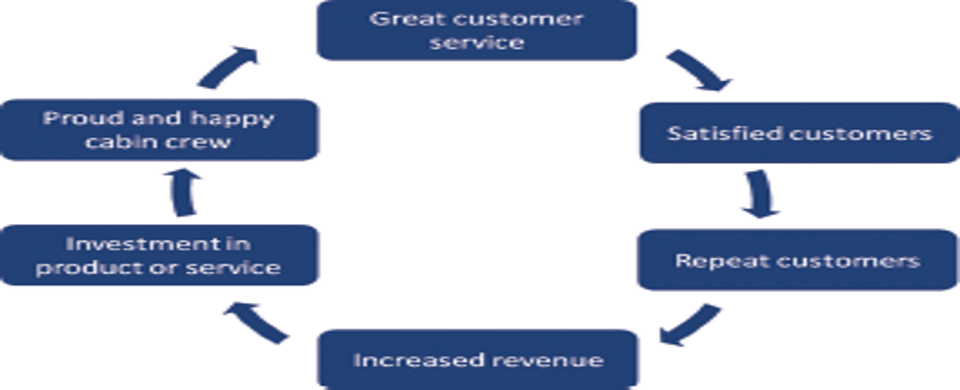
Good Customer Service: The Strategic Impact of Exceptional Cabin Service
While the primary responsibility of cabin crew is to ensure the safety and security of the aircraft and its passengers, the “visible” part of the role—service—is what defines the passenger experience. In an industry where technical safety is (rightly) taken for granted, cabin crew serve as an airline’s most powerful marketing tool. They are the human face of the brand and the single most significant factor in driving passenger loyalty and repeat business.
In today’s aviation market, dominated by Low-Cost Carriers (LCCs), the traditional perks of flying have changed. Passengers are now more willing to pay for on-board meals or bring their own snacks than ever before. This shift has made the crew’s attitude and behavior more critical; when the physical product becomes secondary, the person-to-person interaction becomes the primary differentiator.
Transforming the Passenger Experience
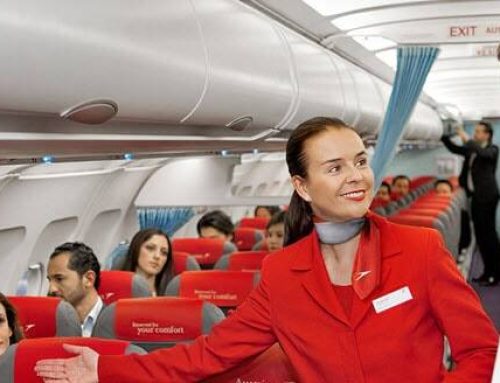
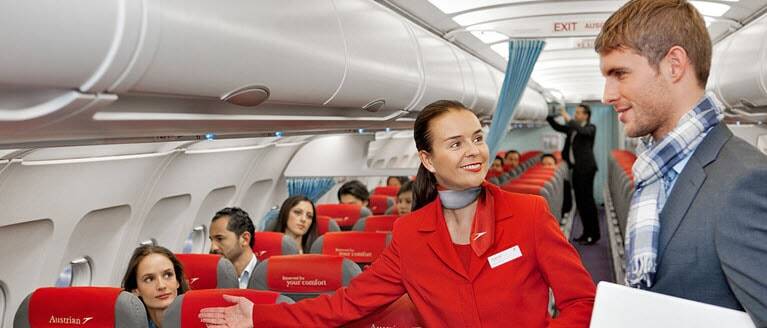
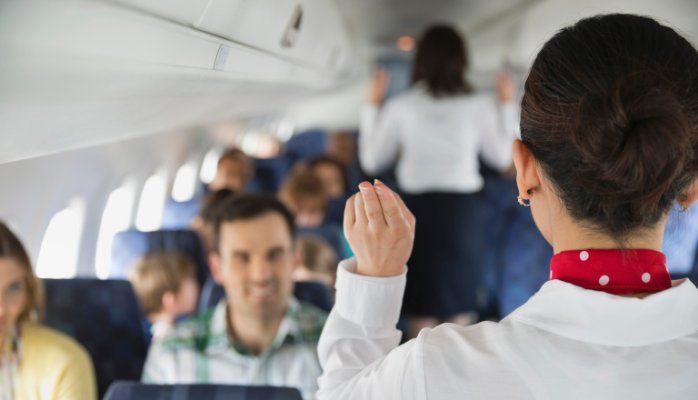
Air travel can be a high-stress environment, but a skilled cabin crew member has the power to shift that narrative. By demonstrating empathy and professionalism from the moment a passenger steps on board, the crew can help travelers decompress from the stresses of security lines and terminal crowds.
Winning over passengers through proactive service doesn’t just improve the atmosphere—it is a practical management strategy. A relaxed and satisfied cabin is significantly easier to manage, allowing the crew to maintain order and ensure a safe, memorable experience for everyone on board. Despite the technical and fast-paced nature of modern aviation, the industry is still getting the best results from crews who prioritize this human connection.
The Pillar of Excellence: Knowledge, Skills, and Attitude
To deliver truly world-class service, cabin crew need to demonstrate a mastery of three core attributes in everything they do:
- Knowledge: A deep understanding of safety protocols, aircraft layout, and service procedures.
- Skills: The technical ability to execute tasks efficiently while handling diverse passenger needs.
- Attitude: The emotional intelligence to remain calm, welcoming, and professional under pressure.
By mastering this triad, cabin crew do more than just “serve a flight“—they build the reputation of the airline, one passenger at a time.
For professional training and development in aviation excellence, visit the Flight Attendant Training Institute Rabat Morocco.




Leave A Comment
You must be logged in to post a comment.